


Biography
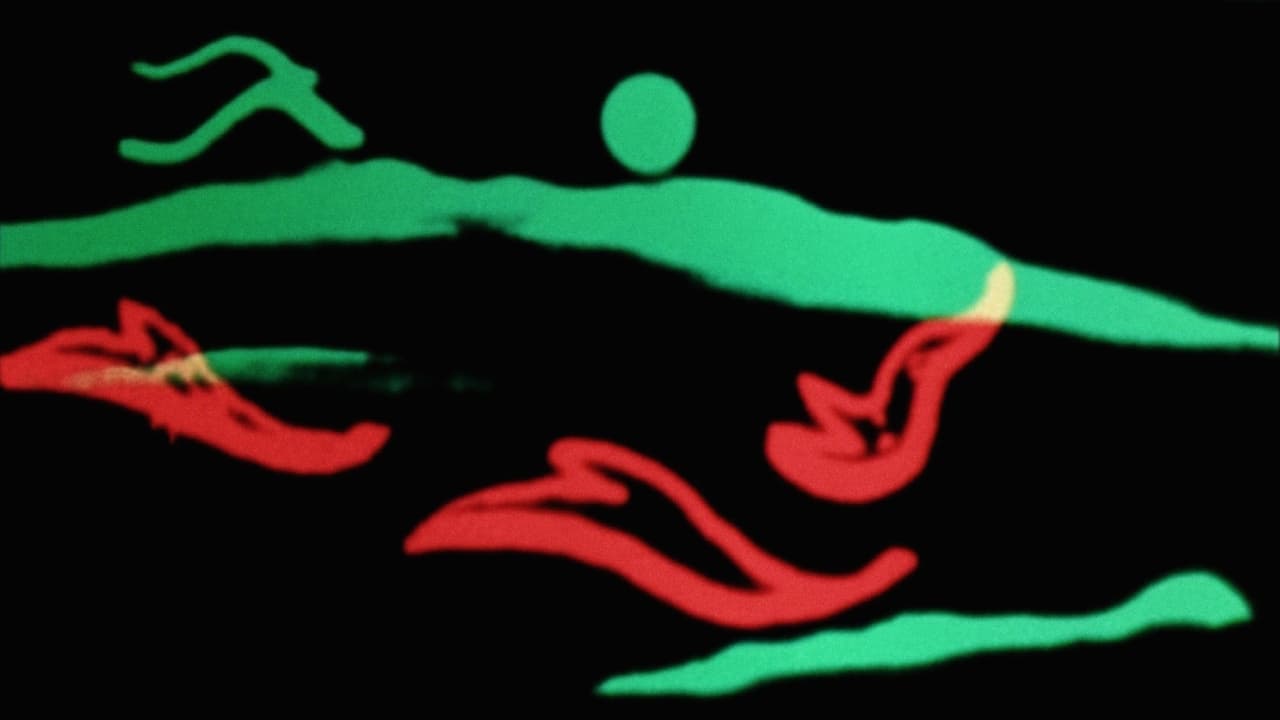
A pioneer of visual music and electronic art, Mary Ellen Bute directed along with her husband Ted Nemeth over a dozen short abstract animations between the 1930s to the 1950s. Set to classical music by the likes of Bach, Saint-Saens or Shostakovich, and filled with colorful forms, elegant design and sprightly, dance-like-rhythms, Bute's filmmaking is at once formally rigorous and energetically high-spirited, like a marriage of high modernism and Merrie Melodies. In the late 1940s, Lewis Jacobs observed that Bute's films were "composed upon mathematical formulae depicting in ever-changing lights and shadows, growing lines and forms, deepening colors and tones, the tumbling, racing impressions evoked by the musical accompaniment. " Bute herself wrote that she sought to "bring to the eyes a combination of visual forms unfolding along with the thematic development and rhythmic cadences of music. " (Ed Halter) Known for her pioneering early abstract films (some of which were screened regularly at Radio City Music Hall, New York in the 1930s), Bute made a series of Visual Music films which she called "Seeing Sound.
Known For

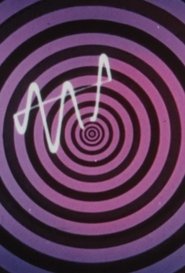
 Passages from James Joyce's Finnegans Wake (1967)Age: 61Director
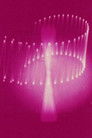 Mood Contrasts (1958)Age: 52Director
 New Sensations in Sound by RCA Victor (1956)Age: 50Director
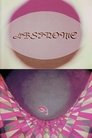 Abstronic (1952)Age: 46Director
 Pastorale (1950)Age: 44Director
 Color Rhapsodie (1948)Age: 42Director
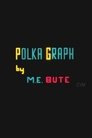 Polka Graph (1947)Age: 41Director
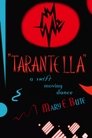 Tarantella (1940)Age: 34Director
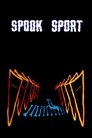 Spook Sport (1940)Age: 34Director
 Escape (Synchronomy No. 4) (1937)Age: 31Director